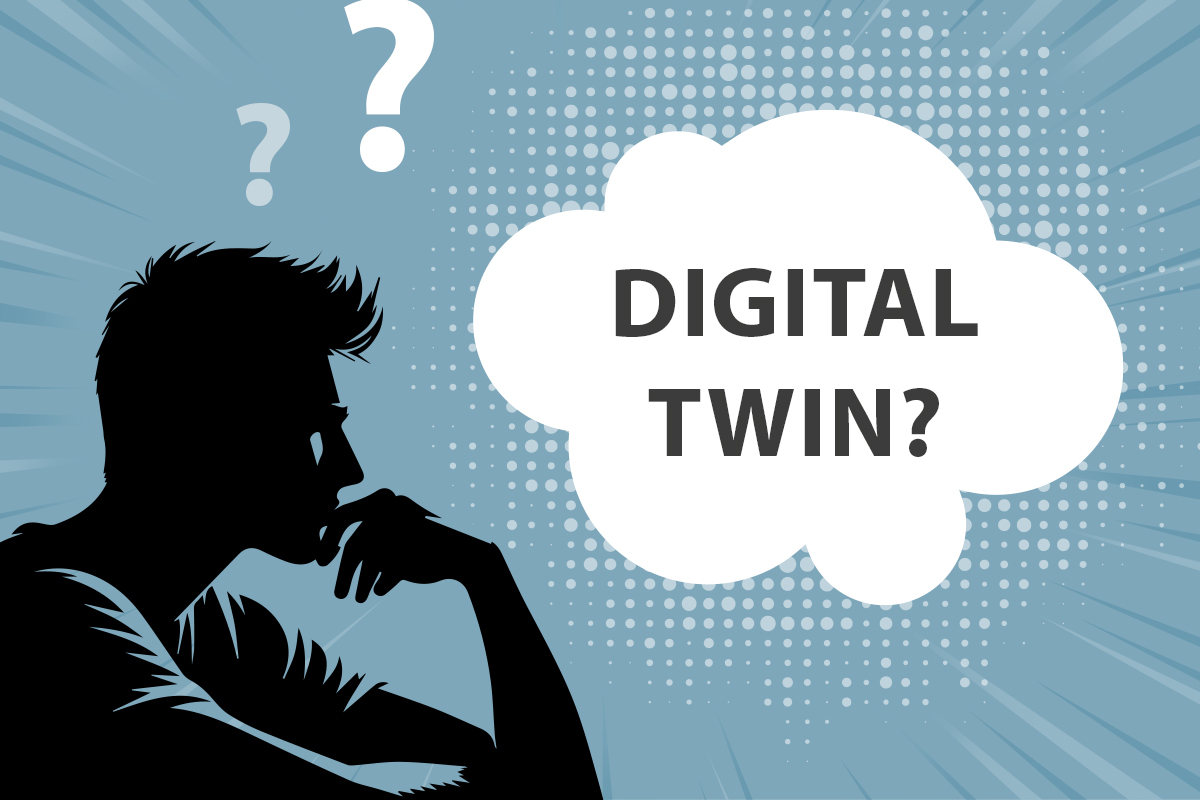
The term Digital Twin has been stretched across so many presentations and discussions that it risks becoming meaningless. Industry forums and whitepapers are full of debates over what exactly counts as a Digital Twin. Is it a 3D model? Does it have to be real-time? What level of data integration is required? These questions, while not irrelevant, often become a distraction. They focus on the label, not the impact.
In practice, a Digital Twin is not an abstract ideal to be debated or admired—it’s a practical tool. It exists to solve real-world challenges: reduce downtime, improve safety, optimize performance, simulate outcomes, or generate insights that weren’t accessible before. If it achieves that, then the purity of its definition becomes irrelevant. Whether the system fits a textbook explanation or stretches the boundaries of the term doesn’t matter to the factory manager trying to avoid equipment failure. The more important question is: a Twin of what, and for what purpose?
From Definitions to Outcomes: Shifting the Focus
Let’s look at this in context. Reframing the conversation around outcomes brings clarity. A Digital Twin of a production line should help teams anticipate breakdowns. One for a building should reveal how systems behave over time and under varying conditions. In complex environments like industrial plants, a Twin can become a decision-support tool—aligning teams, enabling simulations, and improving response to change.
What connects these examples isn’t the architecture behind the models or how many boxes appear in a system diagram. What connects them is purpose. They are all answers to the same core question: what is the problem, and how can we solve it better by making the invisible visible, the static dynamic, and the reactive proactive?
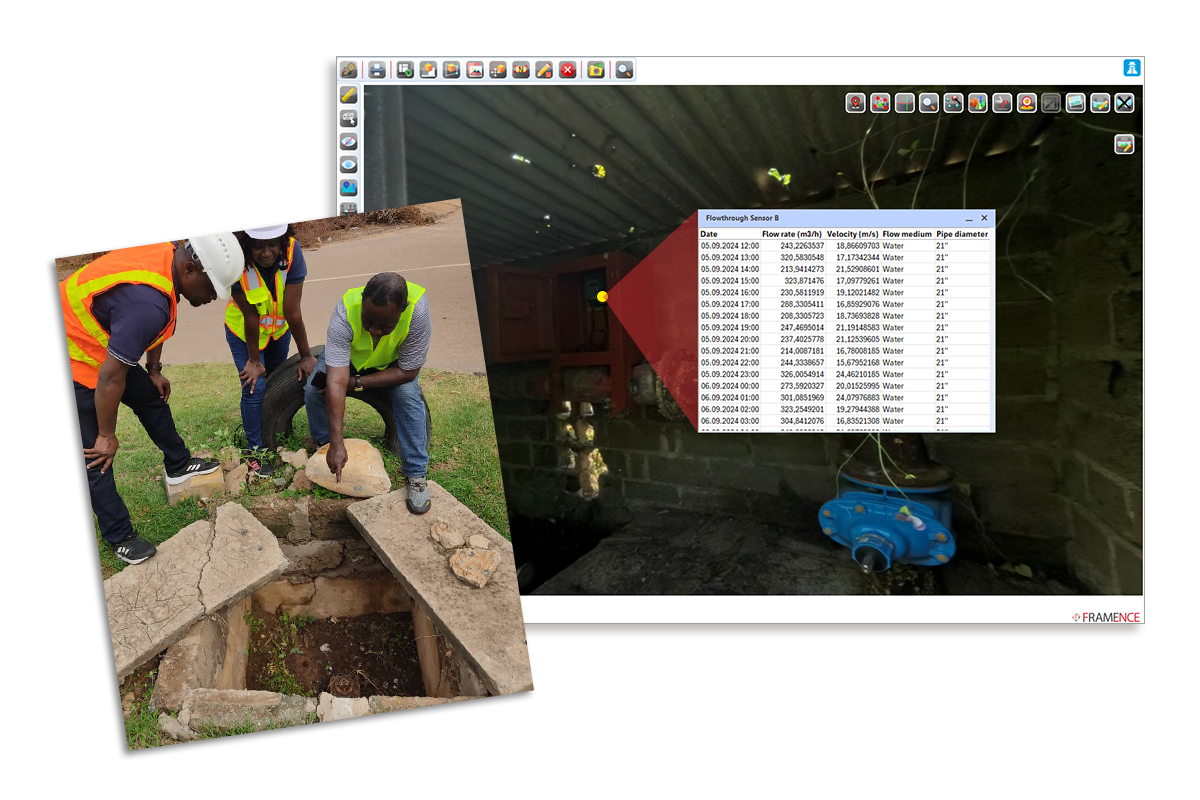
Too often, organizations become fixated on the Twin itself—its design, its technical scope, its buzzword appeal—without first understanding what truly needs to be improved. This leads to solutions in search of a problem, rather than systems built to solve one. At FRAMENCE, for example, we enable users to interact with photorealistic 3D environments built from real-world imagery. This allows teams to navigate complex facilities, detect issues early, and make faster, more informed decisions. It’s not about ticking every box of a definition—it’s about delivering results that matter.
Fit for Purpose: Why Context Is Everything
That’s why context is everything. The type of Twin you need depends entirely on the kind of system you’re dealing with and the goals you’re trying to achieve. A Twin for predictive maintenance will look very different from one aimed at energy optimization. A Twin built to train human operators requires different inputs and outputs than one used for simulating physical wear. Instead of asking whether a model “qualifies,” we should be asking whether it’s fit for purpose.
Ironically, the less we focus on rigid definitions, the more powerful and practical Digital Twins become. Definitions tend to close down possibilities. Outcomes open them up. Over-defining builds boxes that exclude useful solutions just because they don’t match a checklist. In contrast, focusing on impact keeps the conversation grounded in value, not theory.
So instead of treating Digital Twins as a category to be certified, I would recommend to start seeing them as instruments of change. You’re probably not thinking about whether you’re looking at a monitor, a screen, or a display right now—it just works. The same should be true for Digital Twins: their value lies not in how they’re defined, but in what they help you achieve.
That’s the conversation that matters. And that’s where the real value lies.
Image: designexpert004; Shalf Design/on Freepik.com; Edit: speedikon FM AG