AI-generated images have become part of everyday life. They are used by companies in marketing, communication and presentations, but also increasingly by individuals for personal purposes. From social media posts and websites to shared messages, AI-generated images are now created and distributed on a daily basis.
As these images become more realistic and easier to produce, transparency is becoming a key issue. Clear labeling helps people understand when images are generated or altered using artificial intelligence.

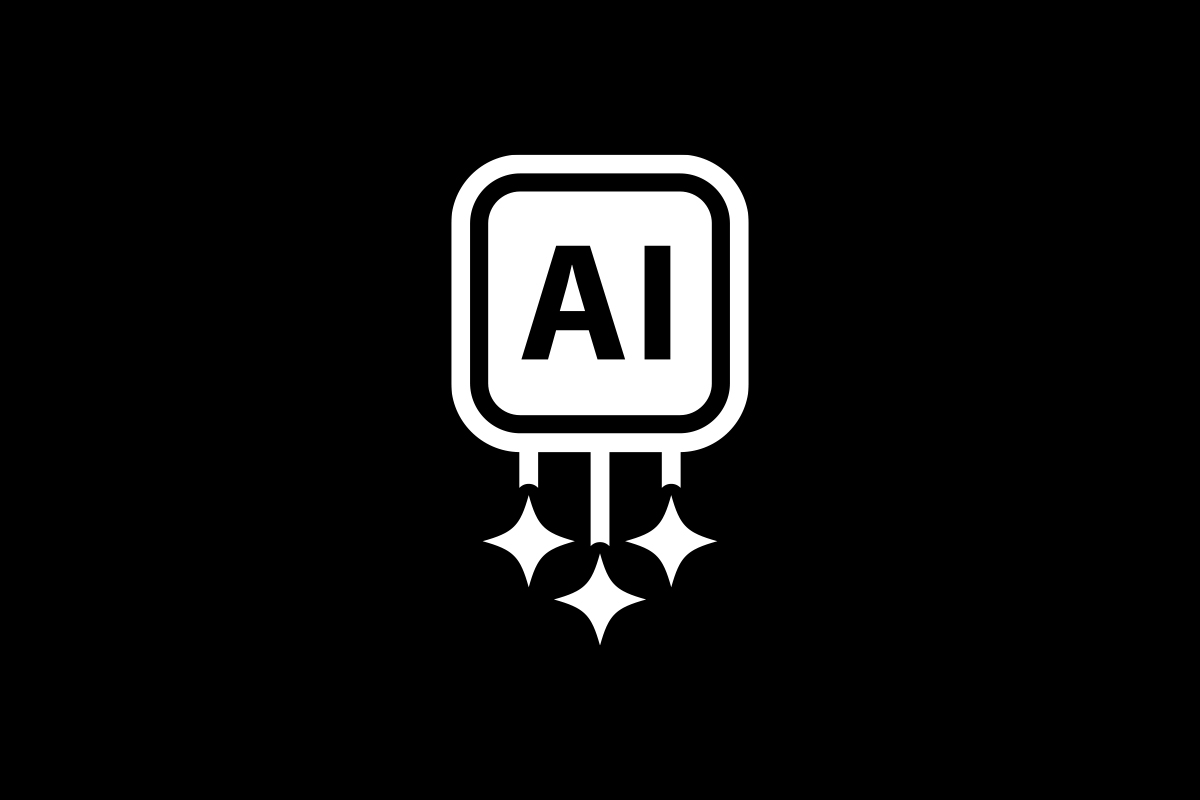
For this reason, the speedikon Group has developed its own AI symbol. From now on, it will be used in all AI-generated images published by the Group, ensuring clear and consistent labeling.
Let’s take a closer look at why it is important to clearly label AI-generated content.
AI in everyday use and the need for transparency
AI-generated images are changing how visual content is created. What once required time, budget, and technical expertise can now often be achieved with just a few prompts. Ideas can be translated directly into images, opening up creative possibilities that were previously limited to people with design or graphic skills, while at the same time reducing costs for companies.
In this way, AI supports communication, the visualization of ideas, and creative development in ways that were previously difficult or impossible, for both companies and individuals.
At the same time, the growing realism and widespread use of AI-generated content make transparency increasingly important. As the line between real and artificial content becomes harder to recognise, clear rules are needed to ensure trust, accountability and informed interpretation. This is the context in which regulatory frameworks such as the EU AI Act are being introduced.
How the EU AI Act addresses AI-generated content
The European Union addresses this challenge through the AI Act, specifically Article 50, which defines transparency obligations for AI-generated and AI-manipulated content.
Under Article 50, providers of generative AI systems are required to ensure that content such as images, text, audio files, and videos can be identified as artificially generated or manipulated. Deployers, meaning organizations or professionals who use AI systems, must disclose when content is published as realistic deepfakes or AI-generated material that could be perceived as authentic.
To support these requirements, the European Commission is currently developing a Code of Practice on the transparency of AI-Generated Content. The first draft was published in December 2025, with the final version expected in mid-2026, ahead of the AI Act’s application in August 2026.
The role of an AI symbol
An AI symbol offers a simple and recognisable way to communicate transparency. A clear marker helps avoid false assumptions by making it immediately clear when content has been created or altered using AI, without the need for long explanations or disclaimers.
Header: speedikon FM AG
Image: Images generated with Adobe Firefly, combined with proprietary graphics; montage: speedikon FM AG